

Picture this. You're a savvy business owner, juggling multiple tasks at once - from managing your team to running marketing campaigns and ensuring customer satisfaction. Sounds exhausting, right?
Now imagine if you had an extra pair of hands - or rather, an intelligent machine that could handle some of these tasks for you. This is no longer a fantasy, it's becoming a modern mainstay of how people get things done.
As of late, the question of how AI tools are shaping the future of work is making headlines around the globe as more businesses tap into its potential.
Gone are the days (or at least they should be gone) when we were fearful about robots taking over our jobs. Today's narrative is all about how collaboration with AI systems can be used to improve your workplace by reducing repetitive tasks, attracting new customers, and creating higher-paying jobs.
Does this sound like something your business could benefit from? Then get ready because we're about to explore not just how AI can revolutionize your business but also the ethical aspects of introducing AI into your business.
Heads up! If you click on some of the links around here and decide to make a purchase, we might get a little thank-you commission. Don't worry, it won't cost you a penny more, but it does give Local AI Academy a high-five for our honest reviews. Your support means the world to us!

The Impact of AI Tools on the Future of Work
Artificial Intelligence (AI) tools are already shaping the future of how work is going to be done, and it's as real as that cup of coffee you're sipping while reading this.
Let's start with a bombshell statistic - according to Goldman Sachs, AI could replace a whopping 300 million full-time jobs. But wait, before you start imagining robots running amok in offices, remember this isn't necessarily bad news.
In fact, think about how we once feared that the Industrial Revolution would leave us jobless? Spoiler alert: It didn’t.
Instead, it transformed daily lives and created new opportunities for human workers. The same is happening now with AI advancements - except at an even faster pace.
What if I told you that within the next decade, there will be more humans assisting machines than machines assisting humans? Yep, that’s right – artificial intelligence isn’t replacing humans; it’s augmenting our capabilities.
Take a task like customer service, for instance, a job that is widely regarded as one that is on the chopping block when AI becomes even more capable. As humans, we appreciate the ability to interact with another individual, popping into a store to get a few of our questions answered before making a purchase. However, it's pretty frustrating when you get home afterward and discover the information they provided wasn't entirely correct or wasn't fully applicable to your situation.
I witnessed this a lot during my time in retail and saw just how much this impacted the overall customer experience and perception of the store. This is a prime example where AI could have helped assist the customer service specialist in ensuring that the information they were providing was 100% accurate and help out with the customer's situation.

The reason why AI couldn't replace the person, though, is human intelligence is needed to translate the information about products and services into a way that customers understands it. With every person having a different level of understanding, this means there isn't a one size fits all solution for this.
Think of purchasing a new computer. You can go online and see the spec sheet of all the different technology it has built-in, but without a deep understanding of computers, most people are lost at the idea of how those specs are better than their current computer. It's the job of the salesperson to take their deeper understanding of technology and make it relatable to every customer they interact with.
If AI is used correctly by local business owners – whether they run mom-and-pop stores or startups – artificial intelligence has tremendous potential for boosting labor productivity and economic growth. Using AI technologies to complete repetitive tasks can free up employees to help with revenue-generating activities and boost job satisfaction instead.
So, are we looking at a future where AI work is an integral part of operating a business? Absolutely. In fact, it's already happening.
According to Goldman Sachs, AI could replace a whopping 300 million full-time jobs. But wait, before you start imagining robots running amok in offices, remember this isn't necessarily bad news.

How Local Business Owners Are Automating Tasks With AI Tools
If you're a local business owner, get ready to high-five your future self. Why? Because AI tools are about to make running your business smoother than butter on hot toast.
Think of all those tasks you've been putting off like marketing your business online, catching up on recordkeeping, or reaching out to potential customers and networking opportunities.
Well, say goodbye to that pile of procrastination because tools like generative AI are here to help assist you with getting more things done in less time.
A perfect example is how technology advances are already being used by one million developers (yes, you read that right) to generate code and change their creation process.
We're going to take a look at another example of how AI tools are shaping the future of work with a task most local business owners are familiar with. Online Marketing.
Embracing Automation for Online Marketing
Ahh...online marketing. It's as tricky as herding cats sometimes, but not with artificial intelligence in our toolkit.
One of the first areas business leaders can transform businesses is by using AI to help automate their online marketing strategies. This doesn't mean replacing the person or team responsible for marketing your business but providing them with tools to help them be more efficient and productive at performing specific tasks.
Let's use content marketing as an example. Viewed as one of the most important marketing tools your business can use to build an online presence, but it is quite frankly a mammoth-sized undertaking. Between spending hours creating a content strategy, then hours writing individual blog posts, and then hours formatting and adding visuals to the post, it can quite literally be a full-time job for just one individual.
That was the case, at least until the breakthrough with generative AI.
Take a tool like Content at Scale, for example. This AI tool is designed to be a content marketing dream for small businesses. With it's ability to help you;
- Perform keyword research to identify quick wins in your content strategy.
- Research and generate entire articles in a matter of minutes from as little as a keyword.
- Provide SEO scoring and suggestions to help optimize your content for customers and search engines.
- Detect any hints of plagiarism or AI-written content.
Quick Overview Content at Scale
Quick Overview - Content at Scale
AI Tool Type
Text Generation
Starting Price
$49 Per Month
Learning Curve
Intermediate
Primary Use
Blog Post Creation
🎉 Bonus
Get 20% More Post Credits When You Sign Up With Our Link!
Get 20% More Post Credits When You Sign Up With Our Link!
This single tool has the ability to assist with 80 to 90% of the entire content marketing process. Previously without tools like Content at Scale it would have taken days to complete these tasks, but now it's just a matter of hours.
However, it still needs human intervention to create content that your customers will love and appreciate truly. You need a skilled content marketer to edit the final output created by CaS and optimize it with personal experience and expertise.
This partnership of AI and human intervention is the future of how AI will exist in the workplace and create jobs that didn't exist before in replacement of jobs that once did. You'll be hiring an AI optimizer instead of a writer, but to be a good AI optimizer, you'll need to have a strong foundation in writing. This is how jobs are evolving and not directly disappearing because of the impact AI will have.
The Role of AI in Reducing Repetitive Tasks
It's been impossible not to have heard a thing or two about Artificial Intelligence this past year. (I mean, how else would you end up on our site if you haven't? 😂) With its predictive capabilities and trend forecasting power, AI is becoming an essential tool for businesses, big and small.
The reality is that large corporations have entire teams dedicated to learning the cutting-edge capabilities these tools can offer. If you've been sitting on the sidelines, your business can't afford to delay anymore.
Today I wanted to cover a few ways your business could benefit from AI in order to help grow your bottom line while keeping your employees and customers happy.
Don't Hit Snooze on Repetitive Tasks
Repetitive tasks in the workplace can feel like a never-ending cycle for many employees. Day after day, engaging in the same routine activities can take a toll on job satisfaction and morale.
The reality is consistent monotony can lead to burnout. When tasks lack variety and challenge, employees can feel undervalued and under stimulated. Over time, this can result in increased turnover rates as workers seek more fulfilling opportunities elsewhere.
The process of hiring and training new staff isn't just time-consuming; it's costly. Beyond the financial implications of on boarding, there's also a dip in productivity as new hires get accustomed to their roles.
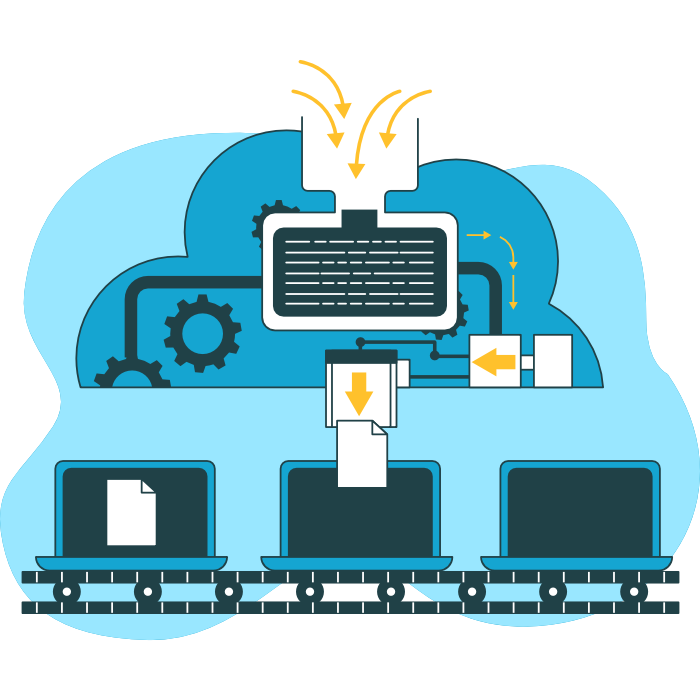
This is where AI comes into play. By integrating AI solutions into the workflow, businesses can offload some of the repetitive tasks. This means employees can focus on more meaningful and engaging work, boosting job satisfaction.
Embracing AI doesn't just streamline operations; it fosters a more content and dedicated workforce. By integrating AI you're taking a proactive step in enhancing employee retention and improving your workplace.
From Mundane to Marvelous in Minutes
Navigating through heaps of data can often feel like looking for a needle in a haystack.
Traditionally, tasks like analyzing customer data or spotting sales trends have been lengthy and labor-intensive. And while they're crucial for making informed decisions, they can sidetrack business owners from other vital tasks.
Enter AI.
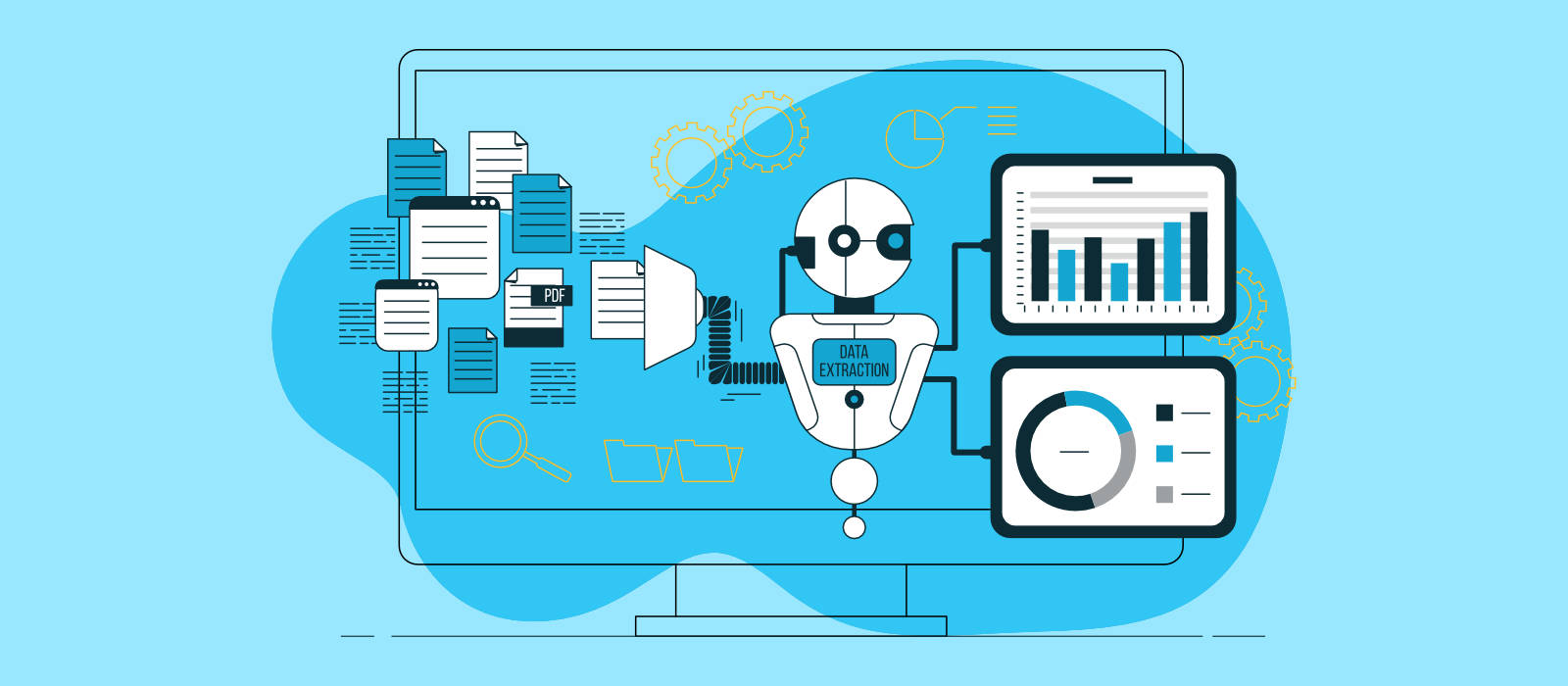
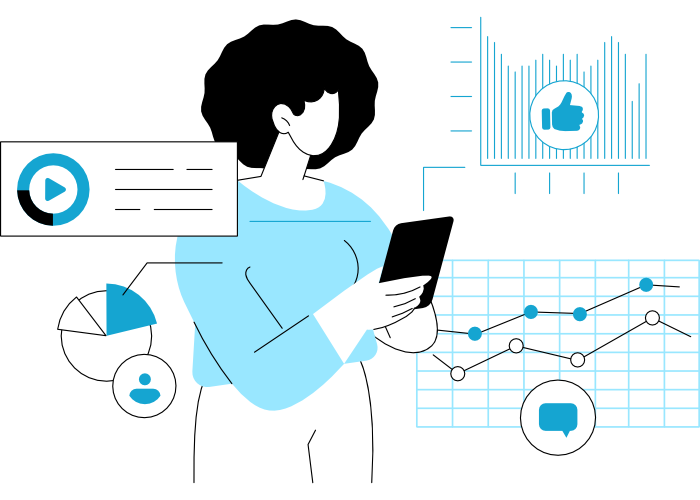
AI algorithms in data analysis are a huge time-saver. Instead of sifting through mountains of information manually, AI can rapidly process and extract the exact high-level insights you're looking for.
It's designed to recognize patterns and significant details that might take human eyes hours, if not days, to spot. With AI, you're essentially getting a sharp, distilled version of your data without the fluff.
The advantages here are twofold.
Firstly, it ensures that business decisions are backed by solid data-driven insights. Being armed with precise information allows businesses to pivot, adapt, and grow in the most effective way.
Secondly, with AI handling the nitty-gritty of data analysis, business owners and their teams can redirect their time and energy to tasks that are more engaging and rewarding.
With AI streamlining tedious tasks, businesses can focus on activities that not only drive growth but also bring a sense of accomplishment and enjoyment. The shift from data-drudgery to impactful decision-making is truly a move from the mundane to the marvelous.
Wave Bye to Outsiders
If you've been running a local business for a while then you probably have felt like it's a never ending job of spinning plates. While you excel in providing your core service or product, there are always those extra roles waiting for you back at the office.

Whether it's marketing, financial reporting, inventory management, or customer service, many local businesses have leaned on external agencies and outsourcing to fill those gaps. While this might bring expertise to the table, it also comes with its own set of challenges, not to mention higher costs.
Outsourcing can sometimes feel like you're handing over a part of your business to strangers. There's the time spent in coordination, the back-and-forth communications, and the nagging feeling of whether things are being handled just the way you want. And then there's the invoice that accompanies these services – often a reminder of the premium you pay for external expertise.
With the adoption of AI, this dynamic is changing and empowering business owners to get more done in-house instead of having to source it out.
AI tools are designed to be user-friendly and intuitive, making it easier than ever for your team to harness their power. These tools can automate and streamline tasks that once required specialized knowledge, allowing your employees to manage them efficiently. Whether it's a chatbot that handles customer inquiries or an AI-driven system that forecasts inventory needs, these tools can be run internally, saving both time and money.
By integrating AI into your business operations, you're not just cutting costs; you're empowering your team. Employees equipped with the right AI tools can manage a wider range of tasks, boosting their skill set and autonomy. This not only enhances their job satisfaction but also ensures that your business remains agile and self-reliant.

The Evolution of AI in the Workplace
As AI advances, it is becoming increasingly apparent that the future of work will be heavily influenced by this technology. It's like a modern-day industrial revolution. We're seeing a growing demand for AI tools that can perform tasks previously left to human workers. From machine learning algorithms and deep learning to neural networks and natural language processing - all these tech advances are giving rise to an era where people data plays a pivotal role.
You know how autonomous vehicles use sensors and software? They gather information about their environment and then act based on what they've learned. That's pretty much what we're doing with our daily lives at work too.
The Rise of Natural Language Processing in Workplaces
Natural language processing (NLP), one such development in AI technology, has begun redefining interactions between humans and machines at workplaces (Stanford University: What is AI?). Instead of dealing with clunky interfaces or complex codes, employees now ask questions or give commands as if chatting with another person.
Remember when predictive text was science fiction? Now you'd be hard-pressed not to find someone who hasn't had words suggested by their smartphone keyboard. The same goes for NLP; it seemed far-fetched until businesses started using it everywhere.
Generative AI, part of this broader field called 'Deep Learning', will soon accelerate personalized applied learning experiences. This means we could see more machine-driven peer-to-peer training happening – think automated code reviews or design feedback.
Ethical Considerations in Using AI Tools
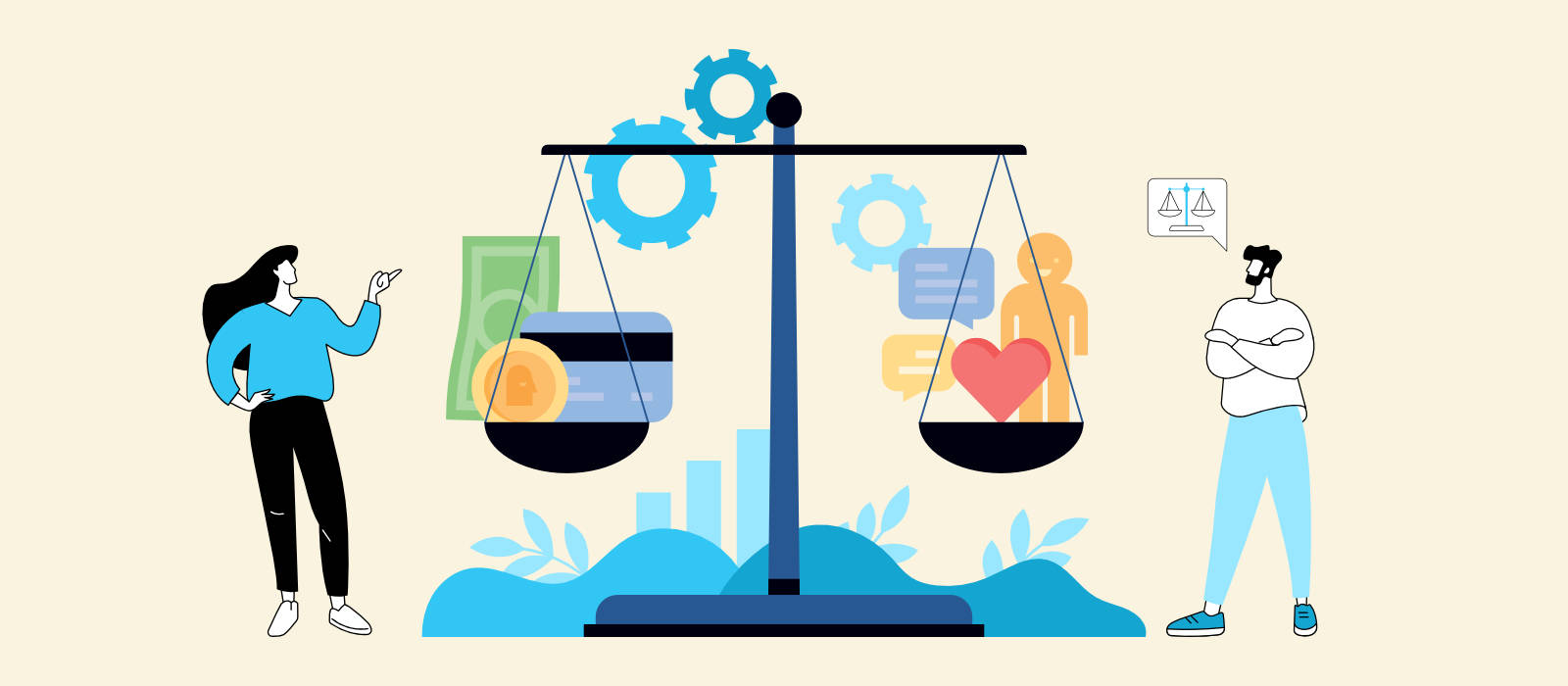
One final area to consider when talking about how AI tools are shaping the future of work, is all the ethical ramifications that come with this new technology.
As we move towards a future powered by AI, ethical considerations like privacy concerns and bias come to the forefront. Sure, these intelligent machines can solve problems that make our heads spin faster than a carousel on overdrive. But let's not forget that even super-smart robots need some ground rules.
The use of artificial intelligence tools at work brings along its own set of dilemmas. Think about it: would you be comfortable knowing an algorithm knows more about your daily lives than your nosy neighbor? Privacy becomes as precious as gold when dealing with AI systems.
Bias is another red flag - one that sticks out like a sore thumb in neon gloves. As much as we'd love for them to be neutral entities, algorithms often mirror human biases because they are created by us fallible humans, after all.
A key thing to keep an eye on is how government regulation could impact this scenario. It’s sort of like having too many cooks in the kitchen; sure, everyone means well, but ultimately they might just spoil the broth. Over-regulation of AI by governments could hinder innovation and have unintended consequences for law-abiding users (ahem...that's you and me.) trying to get their jobs done efficiently.
However, not having enough regulation around AI could also lead to bad actors leveraging AI for nefarious purposes. A recent example of this is deepfake videos being created that use the likeness of popular YouTube influencers, like Mr. Beast, to scam unsuspecting viewers.
Navigating Through Ethical Quandaries
So how do we sail through this sea teeming with ethical sharks? Well, first off, transparency needs to be prioritized higher than grandma's secret cookie recipe (yes, it’s THAT important.). This involves clearly stating what data is collected from employees using these tools and why.
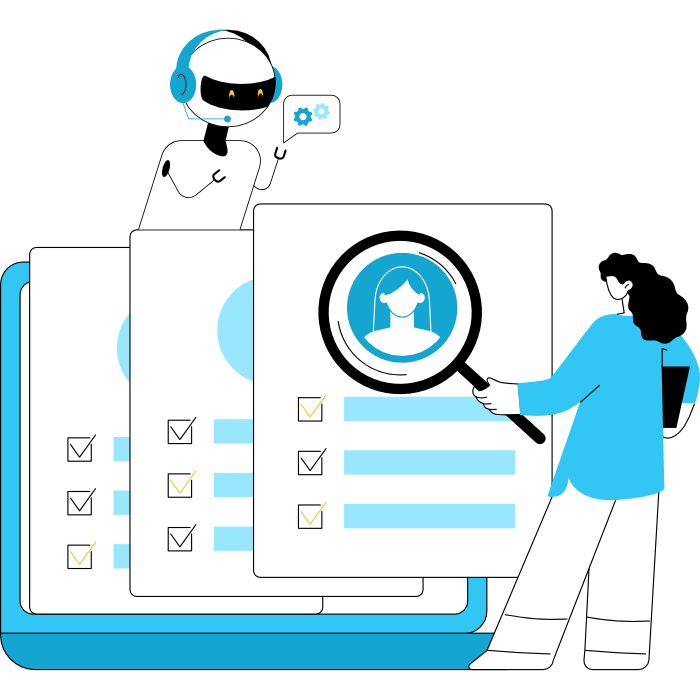
Next up – fairness checks. Companies must ensure their AI tools don't turn into playground bullies. Ensuring that AI is without prejudice, no matter what regarding age, gender or ethnicity.
This was something Amazon had to learn the hard way after one of their AI tools was showing bias against hiring women.
Lastly but crucially – the control button needs to stay with humans (that’s us again.). No matter how intelligent machines become, decisions that affect human workers must remain within our grasp. Because let's face it - we might love our sci-fi movies but no one wants a real-life 'AI gone rogue' scenario.
Frequently Asked Questions
There's a whole world of AI tools available for businesses these days, with hundreds of new tools launching every month. Besides the usual suspects like automated customer service bots, there are predictive analytics tools that can forecast sales or inventory needs and nifty task automation apps that can take care of repetitive chores.
As mentioned before Content at Scale is a powerful suite of tools to help with content marketing, or if you're looking for something a little simpler to help speed up things like responding to emails, then check out our GrammarlyGO review.
Imagine walking into your favorite store, and the salesperson remembers exactly what you like. That's the power of AI in customer service. It's not just about chatbots being available round the clock, but AI digs deeper into understanding your customers.
By studying user behaviors, AI can offer personalized product recommendations, making shopping more tailored to individual tastes. And when complaints arise? AI can quickly gauge the mood of the feedback, enabling faster and more accurate complaint resolutions.
While AI is pretty snazzy, it's not without its challenges. Firstly, there's privacy. With AI tools handling large pools of data, there are concerns about how securely this information is kept.
Then, there's the potential for some jobs to become obsolete due to automation.
On top of that, we have to watch out for algorithm biases that could inadvertently favor one group over another.
Also like any fancy tech, setting up AI takes some time and money, so there's an upfront cost to consider.
Some traditional roles might disappear, but new ones pop up in their place. Jobs like data scientists or AI trainers, which might sound like sci-fi now, could become the norm.
For existing employees, it's not a signal to hit the panic button. It's more about learning new complementary skills for this tech-driven change. Embracing new training opportunities or getting a bit more tech-savvy will be key during this transition period.
Adopting AI is a bit like bringing home a new pet. You've got to prepare and be mindful.
Start by identifying the parts of your business that would benefit most from AI's touch. Educate your team about the new AI tool you're introducing, making sure they understand its role.
Ethics is king, especially when it comes to privacy. Before letting AI off the leash entirely, run some tests to ensure it behaves as expected. And once it's part of the family, keep an eye on its performance and make tweaks as needed.

From Automation to Transformation, How AI Tools Are Shaping the Future of Work
By now, you should have a better understanding of AI and how it's reshaping our work lives. Hopefully, you have seen how impactful it can be but aren't fearful of the changes that come with it. Here's a quick recap of everything we just covered.
From automating marketing tasks to transforming business operations with data processing, AI has the ability to assist with time-intensive tasks that I'm sure you've attempted to avoid at one point or another.
We discussed how AI tools are shaping the future of work, making jobs more satisfying for you and your employees by eliminating mundane tasks. You now know that this isn't a dystopian future - but an exciting reality that can lead to more jobs created.
But remember, as we harness these powerful technologies, let's not forget about ethical considerations such as privacy concerns and bias. After all, innovation should never come at the expense of human values or rights.